
Where Is All The Snow?

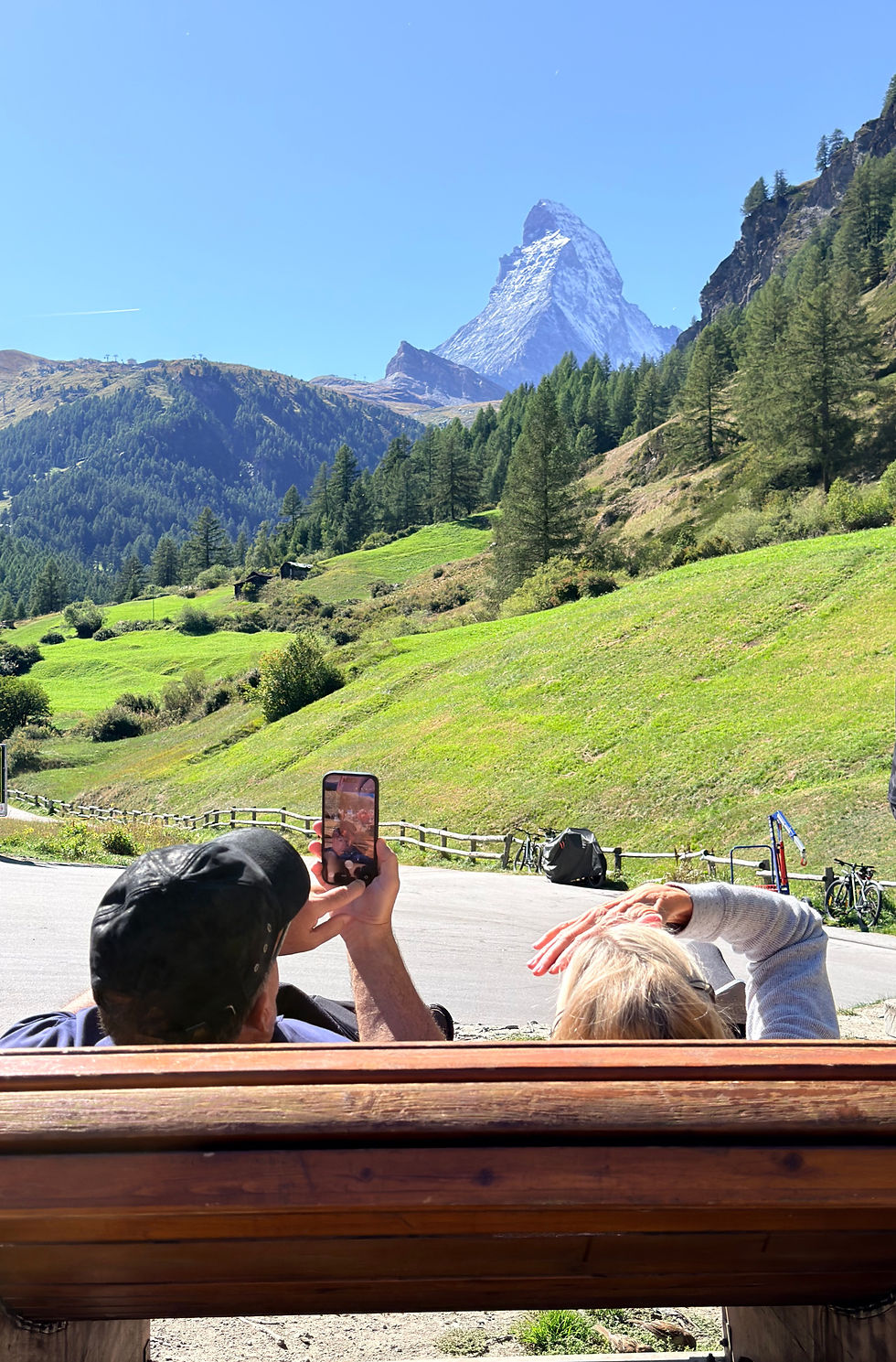
Zermatt is the charming mountain village in Valais. The Matterhorn, probably the most famous mountain in the world, towers over it.
Compared to the last few years, this year has the least amount of snow on the Matterhorn. Except for one pine tree, all the trees at my favorite viewing area have been cut down.


Photographing Sharon and Bennett photographing the Matterhorn.

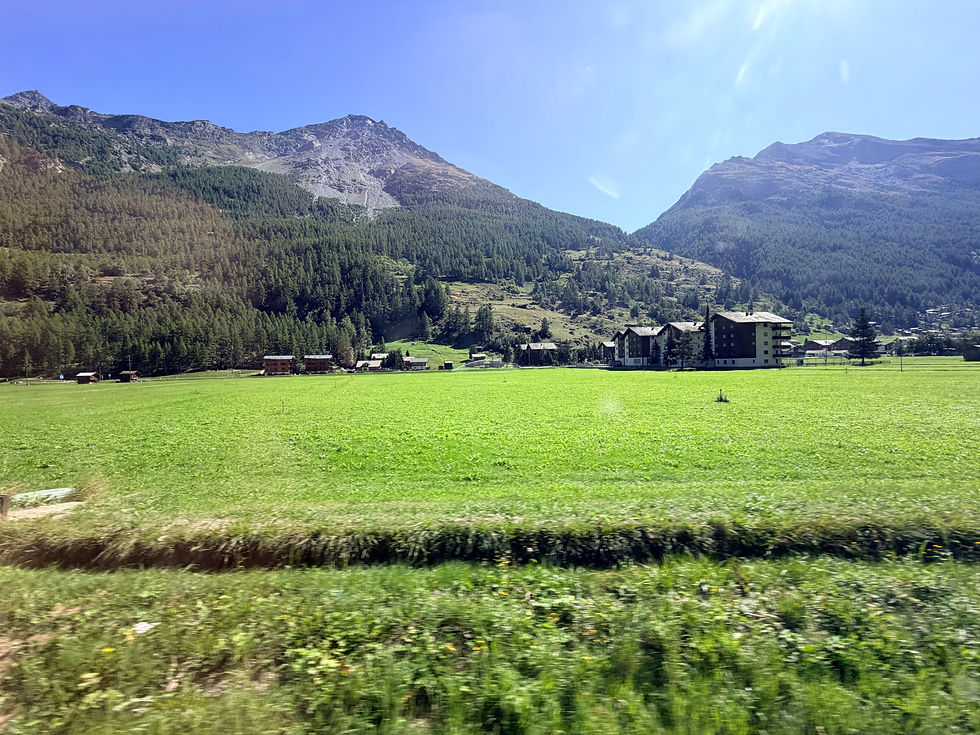
When traveling by train from Visp to Zermatt, sit on the left side in the direction of travel for the best overall valley and mountain canyon views. Going from Visp up to Zermatt, the railway ascends the Mattertal valley. Left Side: Generally preferred by travelers on the Matterhorn Gotthard Railway and SBB regional trains for wider gorge and mountain vistas as you climb. Right Side: Features the river running closer to the tracks at various points, but opinions on travel forums are slightly mixed with some sources suggesting either side works well since the train winds through a narrow alpine valley.




Garden gnomes (German: Gartenzwerge, lit. 'garden dwarfs') are lawn ornament figurines of small humanoid creatures based on the mythological creature and diminutive spirit which occur in Renaissance magic and alchemy, known as gnomes. They also draw on the German folklore of the dwarf.
Traditionally, the garden figurines depict male dwarfs wearing red pointy hats. Typically, gnomes stand between one and two feet (30 and 60 cm). Originating as a decoration for the wealthy in Europe, garden gnomes are now prevalent in gardens and lawns throughout the Western world, among all social classes. They are regarded by some as kitsch.

In ancient Rome, small stone statues depicting the Greco-Roman fertility god Priapus, also a protector of beehives, flocks, and vineyards, were frequently placed in Roman gardens. Gnomes as magical creatures were first described during the Renaissance period by Swiss alchemist Paracelsus as "diminutive figures two spans in height who did not like to mix with humans". During this period, stone "grotesques", which were typically garishly painted, 1-meter-tall (3.3 ft) figurines, were commonly placed in the gardens of the wealthy. Among the figures depicted were gobbi (Italian for hunchbacks). In particular, Jacques Callot produced 21 versions of gobbi, which he engraved and printed in 1616.

The reputation of German gnomes declined after World War I, but they became popular again in the 1930s following Disney's animated film Snow White and the Seven Dwarfs, when more working-class people were able to purchase them. Tom Major-Ball (father of former British prime minister John Major) was the most notable producer at that time with his company Major's Garden Ornaments.World War II and the years following saw a decline in the industry, causing most producers to halt their manufacture.
"Garden gnomes saw a resurgence in popularity again in the 1970s with the creation of more humorous types of gnomes. In the 1990s, traveling gnome and garden gnome pranks became popular and made national news at times, where people steal a garden gnome from an unknowing person's lawn and then send the owner photos of the gnome as a practical joke before returning it.

The car-free place is one of the most popular excursion and holiday destinations in Switzerland, mainly because of the Matterhorn.
These electric vehicles wait at the train station to take you to your hotel, apartment or B&B.


"With around 300 days of sunshine a year and the Matterhorn practically within reach, Zermatt's natural beauty offers relaxation, leaves connoisseurs raving, and simultaneously provides everything for adventure seekers – no wonder people from all over the world are drawn to Zermatt.'
"The mountain village has retained its original charm to this day. Tradition and history are just as palpable as Zermatt's passion and the pioneering spirit of this holiday destination, which blends seamlessly with modern times."
Along the Bahnhofstrasse of Zermatt, you will find many cafés, restaurants, shops and souvenir shops. What stands out? The place has over 100 hotels and many chalets, but not large hotel buildings.


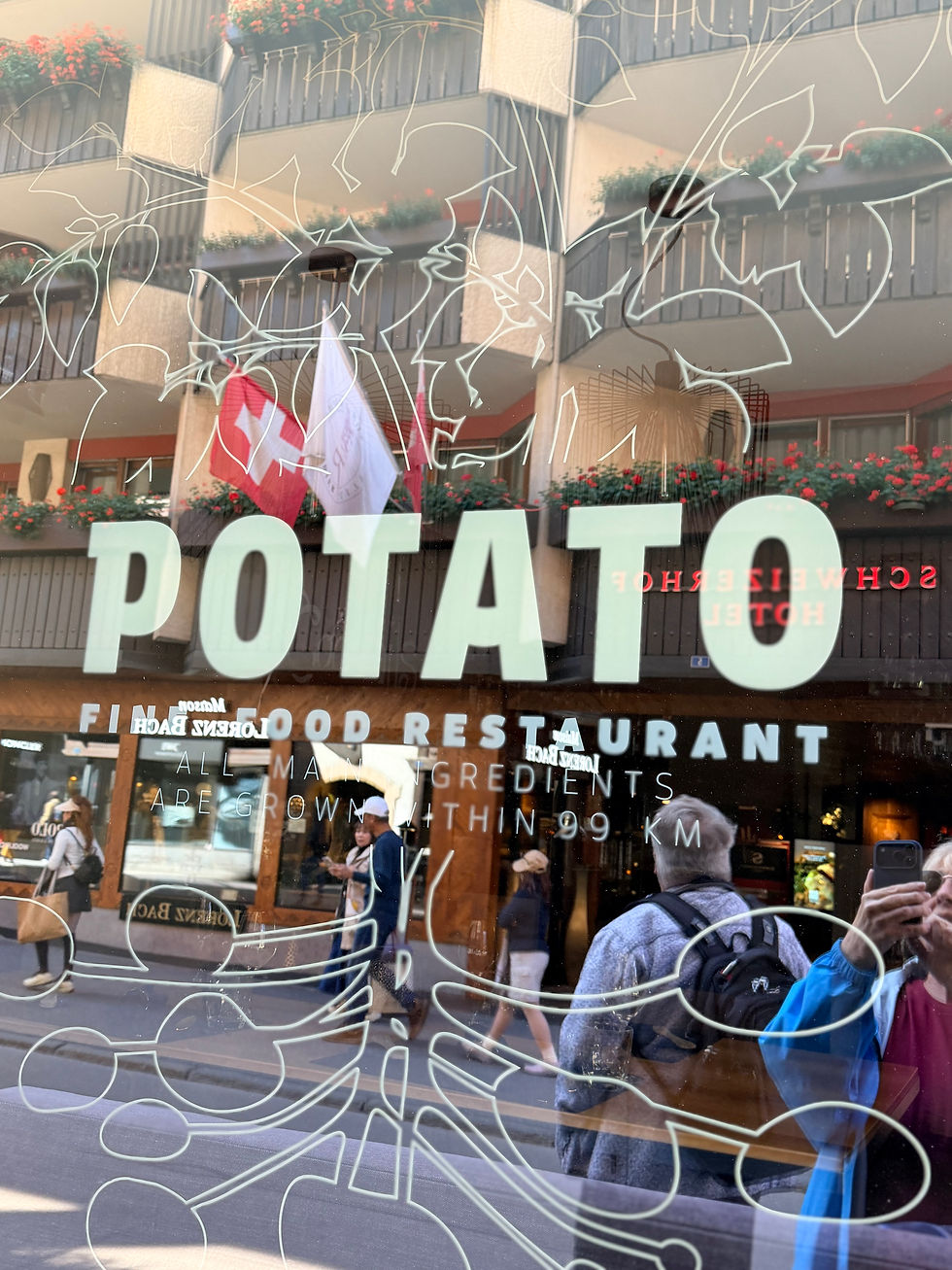
All main ingredients are grown within 99 kilometers (61.5 miles) of the restaurant.

If you love shopping, Bahnhofstrasse in Zermatt is definitely the place to be.
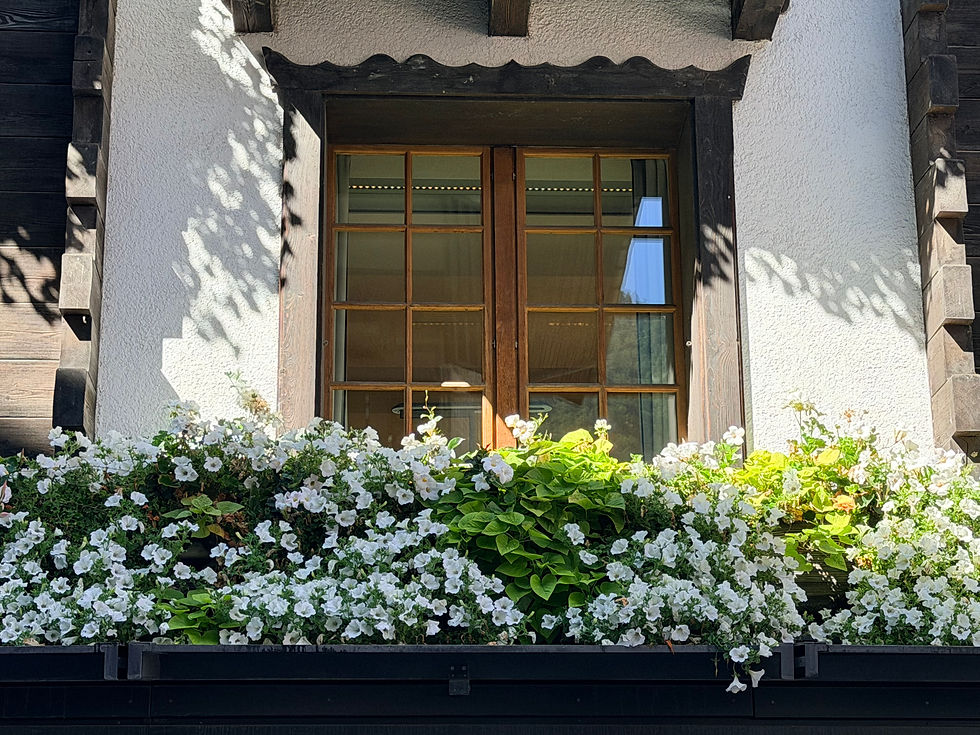
Some restaurants, cafes, and houses have their window boxes overflowing with flowers.


Buying Sprüngli chocolate


What size box do you want filled with Luxemburgerli?






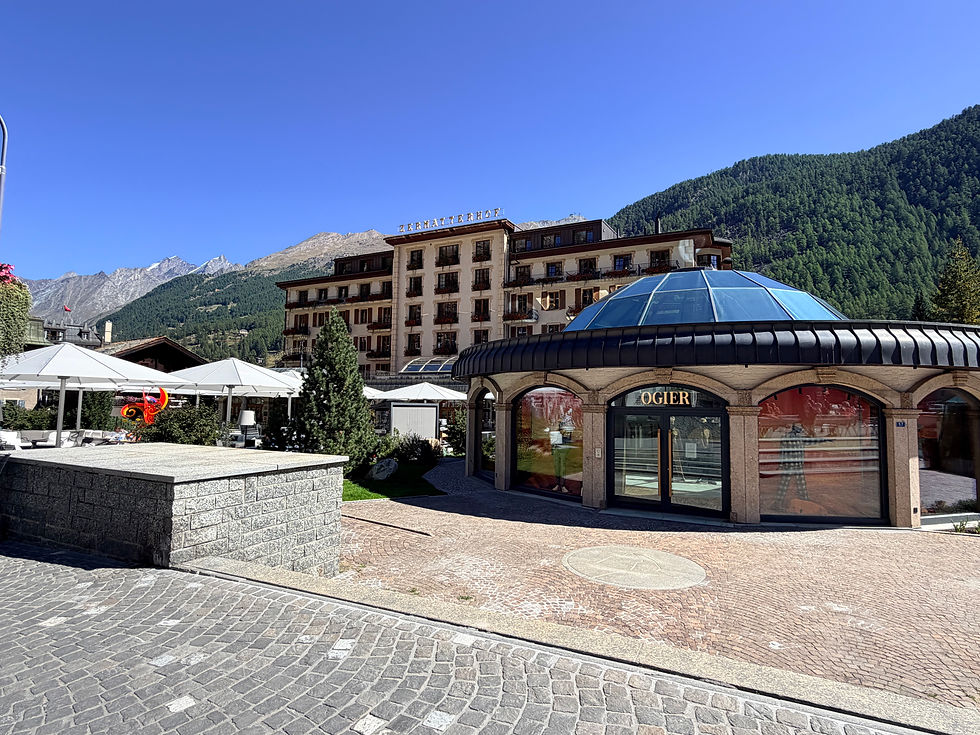
Wouldn't it be wonderful to stay at the Zermatterhof Hotel?
"Established in 1879 and offering views of the Matterhorn, this elegant luxury hotel is next to the Matterhorn Museum – Zermatlantis, a 7-minute walk from Zermatt train station and 10 minutes' walk from a cable car station. Polished rooms have Wi-Fi, flat-screens and minibars, as well as Nespresso machines. Upgraded rooms offer Matterhorn views and/or balconies. Suites feature living rooms. Room service is available.



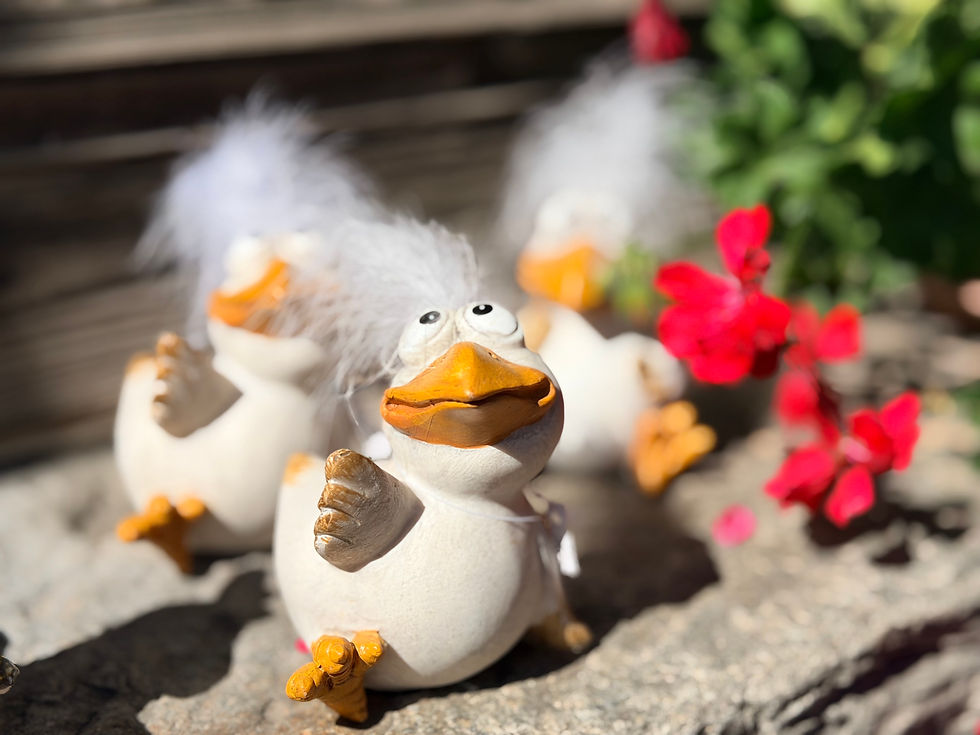
An insect house, also called a bug hotel, is a man-made wooden or natural structure designed to give beneficial insects a safe place to nest, rest, and spend the winter.
"Different sections of an insect house attract different helpful garden creatures:
Solitary bees: Use hollow bamboo tubes, reeds, or holes drilled into wood blocks to lay their eggs.
Ladybugs and lacewings: Hide in dry straw, pine cones, or loose bark to stay safe from cold weather.
Butterflies: Use small vertical slots or wooden box sections for shelter."
Hang or mount the house about 3 to 5 feet off the ground.
Pick a warm, dry spot that gets morning sun and faces away from heavy wind and rain.
Place it near flowering plants or a water source to draw in local pollinators.


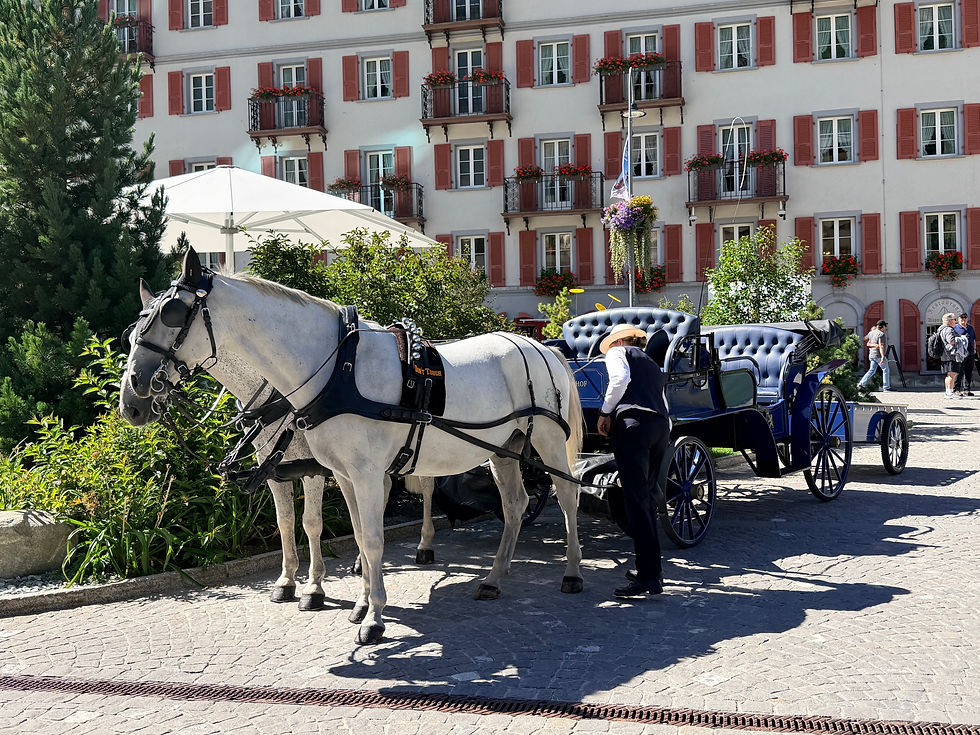
Train station pick-ups by horse-drawn carriage are complimentary.




Other amenities include 3 upscale restaurants, 2 bars, and a posh spa with an indoor pool and a gym."
"The restaurants serves French, local, international, and European cuisine in a traditional, modern, and romantic setting. Breakfast options include continental, American, buffet, vegetarian, and vegan breakfasts."
Couples particularly appreciate the location – they rated it 10.0 for a stay for two.
"The Grand Hotel Zermatterhof in Zermatt is housed in a historic building and offers a unique atmosphere. The property features a spa and wellness center, a pool with a view, a sauna, a fitness center, a sun terrace, and a garden."
Love their edelweiss cream for hands and feet that they sell in the Swiss Artisans store.


I always photograph two particular houses because of their flowers.
I was very disappointed with this year's flowers.


This was not the year for hanging geraniums. I don't think they liked the hot weather.


Pears look ready to pick

Poppies

Bees everywhere


The majestic beauty of the Matterhorn, at 4478 meters (14691.6 feet) above sea level, can not be escaped by anyone. From the village, from the church square or from the church bridge, you can see the mountain.


In terms of population, Zermatt is the second town in the district after Visp itself. It lies in the Matter Valley at an altitude of 1610 meters (5282.152 feet) on the northeast foot of the Matterhorn. Zermatt is a mountaineering center and, thanks to the Matterhorn and its winter sports and hiking area, a well-known Swiss holiday resort.
The ascent of the Matterhorn is only possible for experienced alpinists.
Zermatt is a natural paradise in all seasons and offers a variety of hiking trails with different levels of difficulty. Whether you are on the route Sunnegga–Blauherd, the challenging route to the Hörnlihütte or the 5 Lakes Trail Zermatt, you can experience the beauty of Zermatt's natural wonder and beauty on any hike, There are many bike trails, too. In winter, 360 kilometers (223.694 miles) of slopes await you in the varied ski areas: Matterhorn Glacier Paradise, Sunnegga-Rothorn, Gornergrat-Stockhorn and Schwarzsee.
Zermatt is an ideal starting point for outdoor activities of all kinds: biking, climbing, mountain tours, trekking, and of course hiking. In winter, there are public outdoor rinks for ice-skating and curling.
"The fatality rate on the Matterhorn is approximately 1 in 140 attempts, with about 8 to 12 deaths occurring each year. Total Deaths: Over 500 to 600 people have died climbing the mountain since its first successful ascent in 1865, making it one of the deadliest peaks in Europe. Per-Climber Risk: The individual fatality rate per attempt is roughly 0.1% to 0.4% (or 1 in 140), even though the absolute death toll is high due to high visitor volume. Falls:The vast majority of fatal accidents on the mountain involve a fall, often happening during the descent when climbers are fatigued. Stonefall: Loose, unstable rock creates constant hazards of falling debris. Inexperience and Crowding: Heavy congestion on popular routes like the Hörnli Ridge leads to delays, and many attempting climbers lack proper gear, physical fitness, or professional guides. Opinions on the mountain's risk vary; as noted in discussions on platforms like Reddit, some users point out that while the technical difficulty and loose rock make it dangerous, many accidents stem from underprepared tourists attempting a serious technical climb without adequate experience."
"At the mountaineer’s cemetery, visitors can see the graves of about 50 climbers who perished in the surrounding mountains. It is located near the St. Mauritius church near the town square. Most of the graves are from the 19th century and some from the early 20th century. The headstones tell the amazing stories of the climbers who met with destiny during their attempt to climb the Matterhorn. Among the many climbers who are buried here are the Swiss mountain guides: Peter Taugwalder Senior and Junior who were members of the group of the first successful ascent of the Matterhorn. The cemetery is an important part of Zermatt’s history and a touching tribute to both young and old adventurers who lost their lives climbing in the nearby Alps."


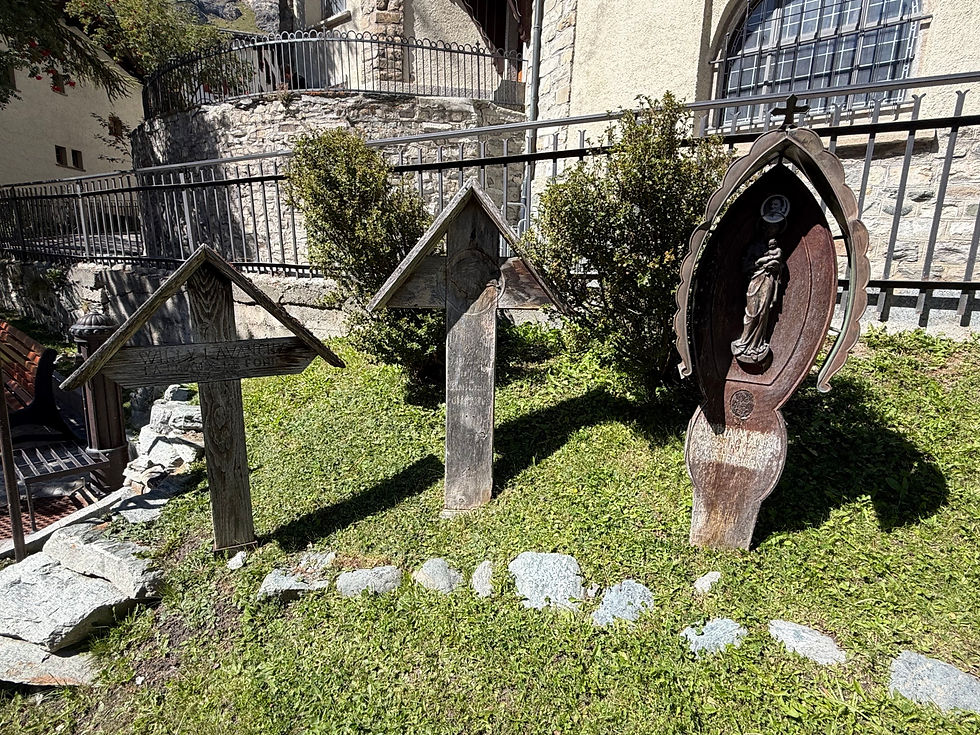


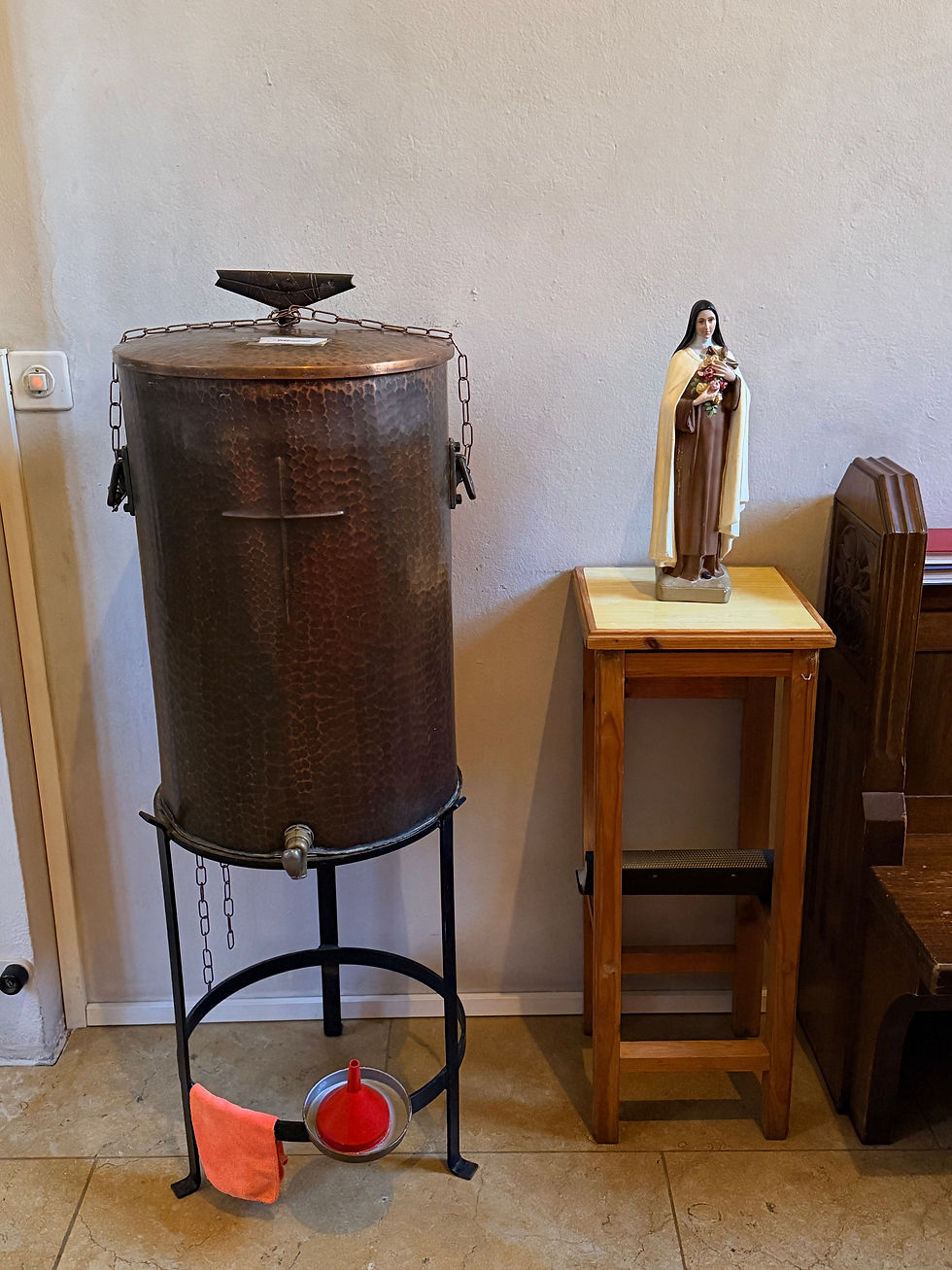
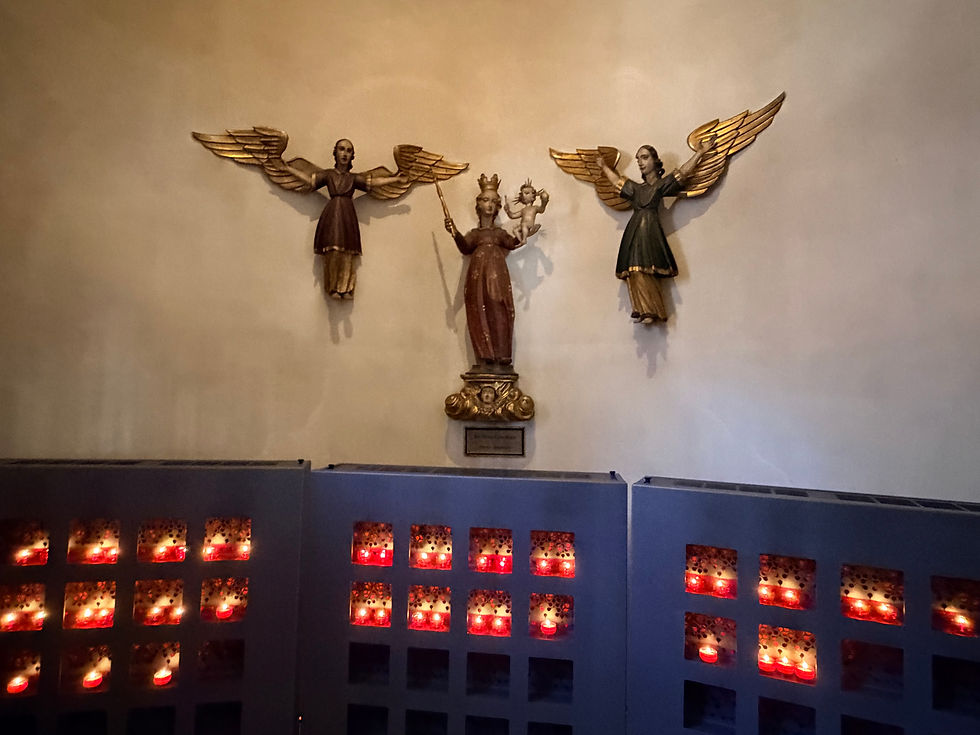
Zermatt has a great religious tradition and you will often find the pews at St. Mauritius Church filled with locals and visitors for Sunday Mass and high holy days. The Mauritius church is a popular church for weddings and has seats for about 480 people. It was built in 1913 and is situated in the main town square and the church tower can be seen from all of Zermatt. The interior is very elaborate with paintings on the walls and the ceiling. The church of St. Mauritius is listed in the Swiss Inventory of Cultural Property of Regional Significance because of its 18th century altars and baptismal font.


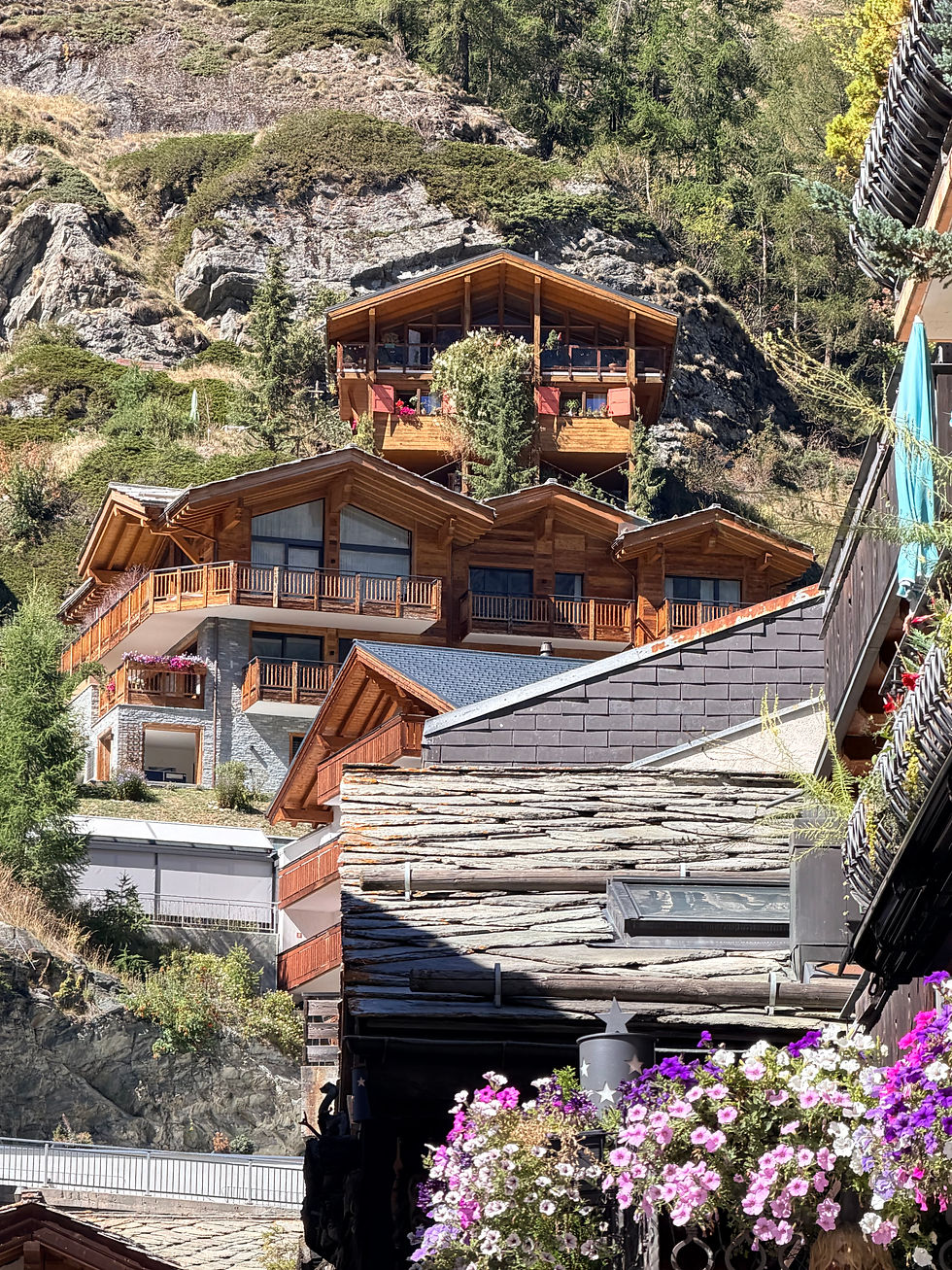
Beautiful apartments to rent or own.


The pine trees are really stressed.


We ate at the Restaurant Molino because I so love their buratta (burrata is an Italian cow's milk cheese made from mozzarella and cream) pizza with prosciutto.
Sharon had the spaghetti bolognese.


Bennett bought a new hat.

Always get a Lorenzo with my pizza

Had a dried lime slice.

Michael and Bennett had the lasagna/


Comments