
Happy 70th Birthday, Michael!!!!!!!


Luzern is one of the highlights of every trip to Switzerland. In addition to the distinctive cityscape with lake basin, Chapel Bridge and old town, Luzern offers many sights and is the perfect starting point for excursions to the region around Lake Luzern.
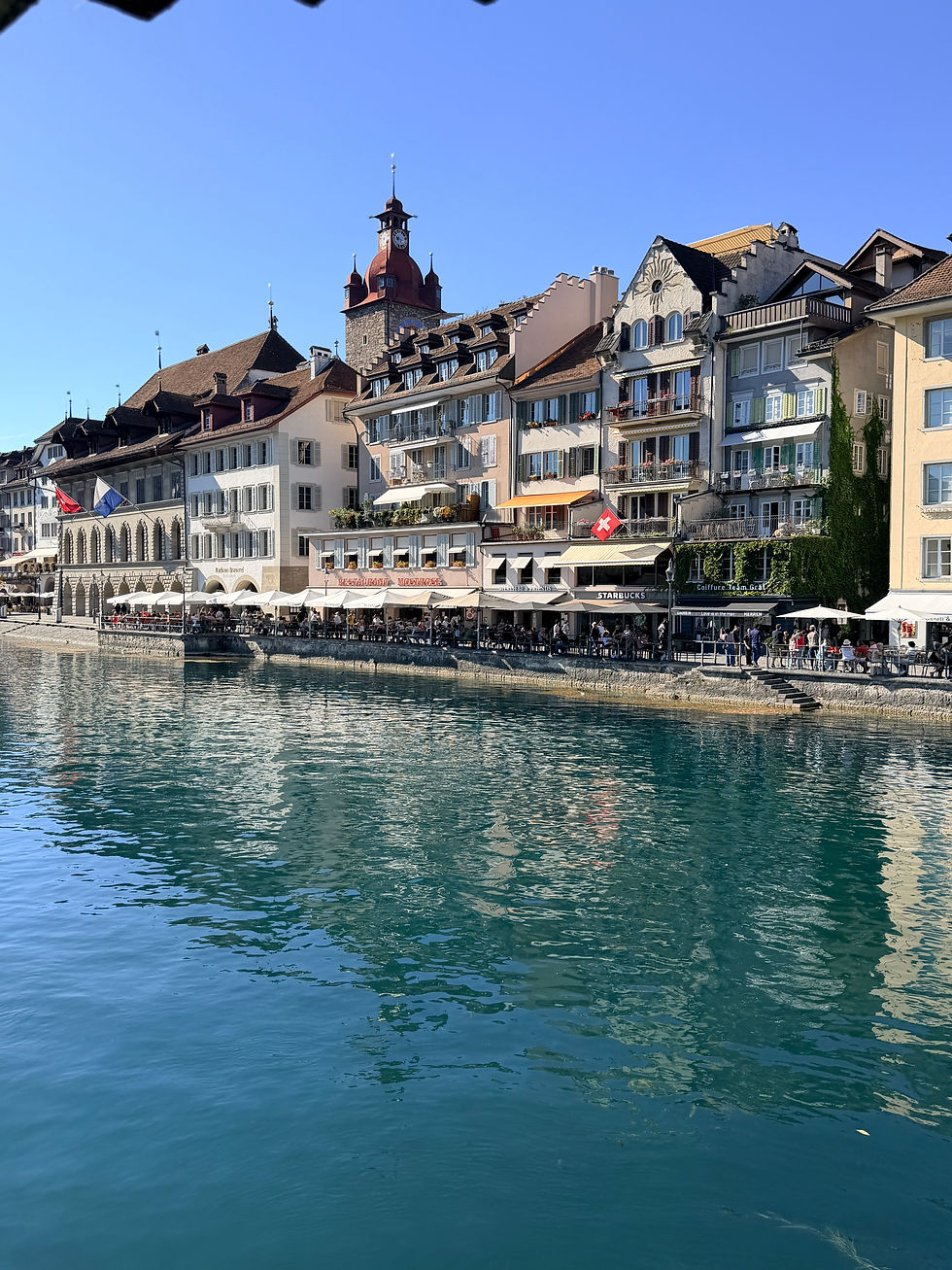

The Chapel Bridge is Luzern's landmark and one of the oldest wooden bridges in Europe. Walk across the 204 meter (669. feet) long bridge, discover the historical paintings, and enjoy the view of the Reuss River and the Old Town.


Cross the 204-meter-long Chapel Bridge, once part of the city's fortifications. Paintings in the gables show you scenes from Luzern and Swiss history. After the fire of 1993, 30 panels were completely restored. From the middle part you have a wonderful view of the Reuss and the old town.
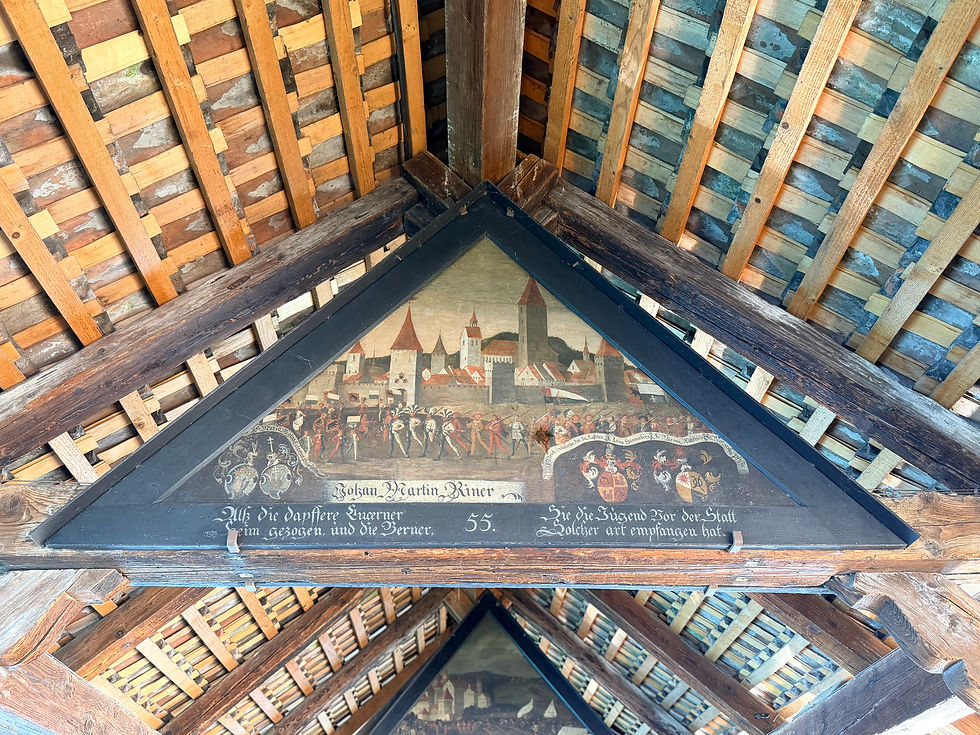
The Chapel Bridge is not just a bridge, but a piece of history. With its paintings and the water tower as a striking landmark, it is one of the most famous buildings in Switzerland. Originally built in the 14th century, the wooden bridge connects the old town of Luzern with the left bank of the Reuss.

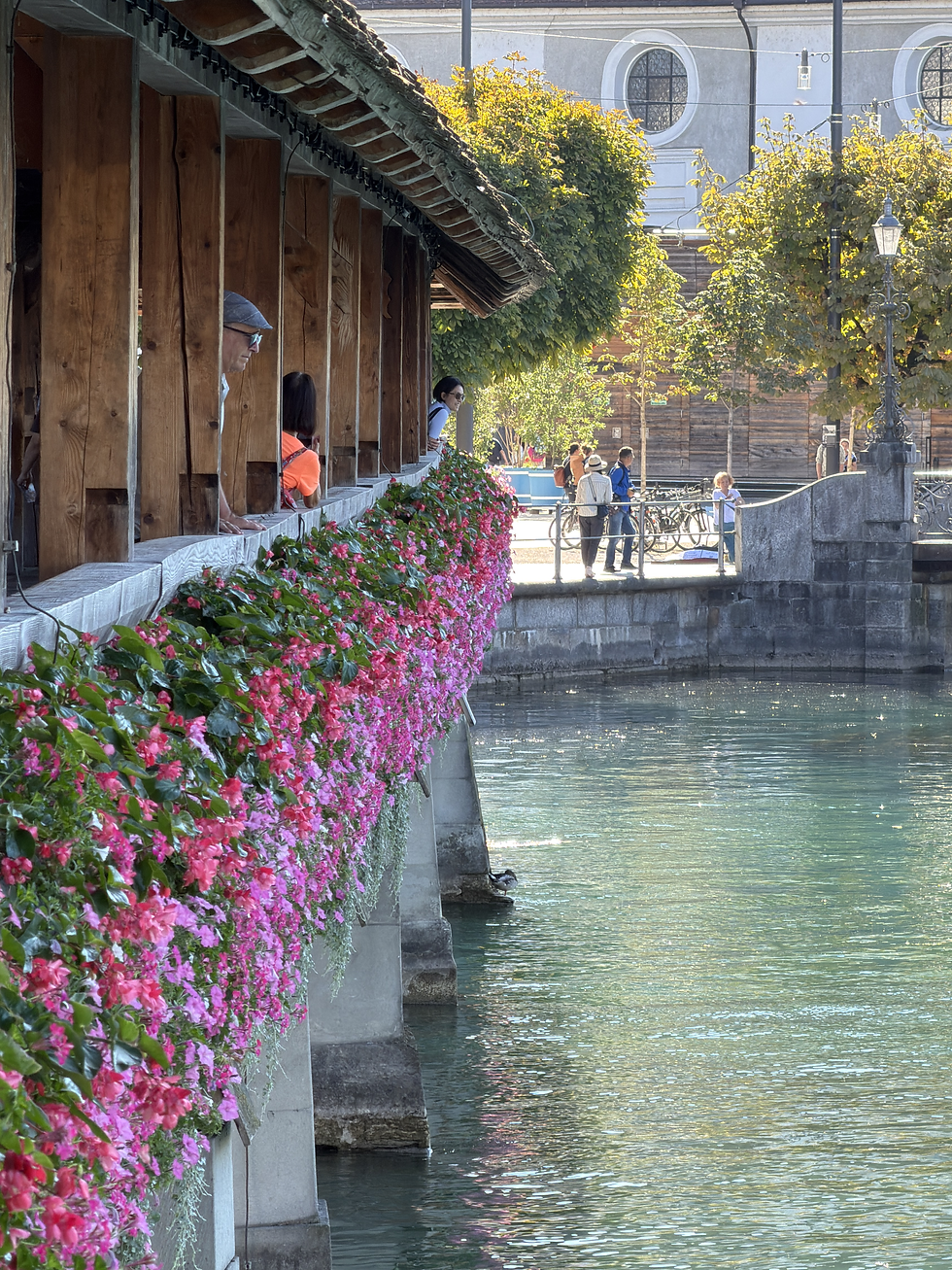

Right next to the Chapel Bridge rises the octagonal water tower, which was once used as a prison, archive and municipal warehouse. In this way, it underlines the history of the bridge.

This is the first time we have ever see someone looking out from the tower.


First time we have seen chairs placed along the river. What a wonderful idea!!!!!!


After crossing the Chapel Bridge, it is worth taking a walk through Luzern's old town. Discover the colorful house facades, cafes and small shops. Historic squares such as the Weinmarkt, the Mühlenplatz, the Hirschenplatz or the Kapellplatz are also worth seeing.


The Lion Monument is one of the most famous monuments in Switzerland. In a rock grotto rests a colossal dying lion.


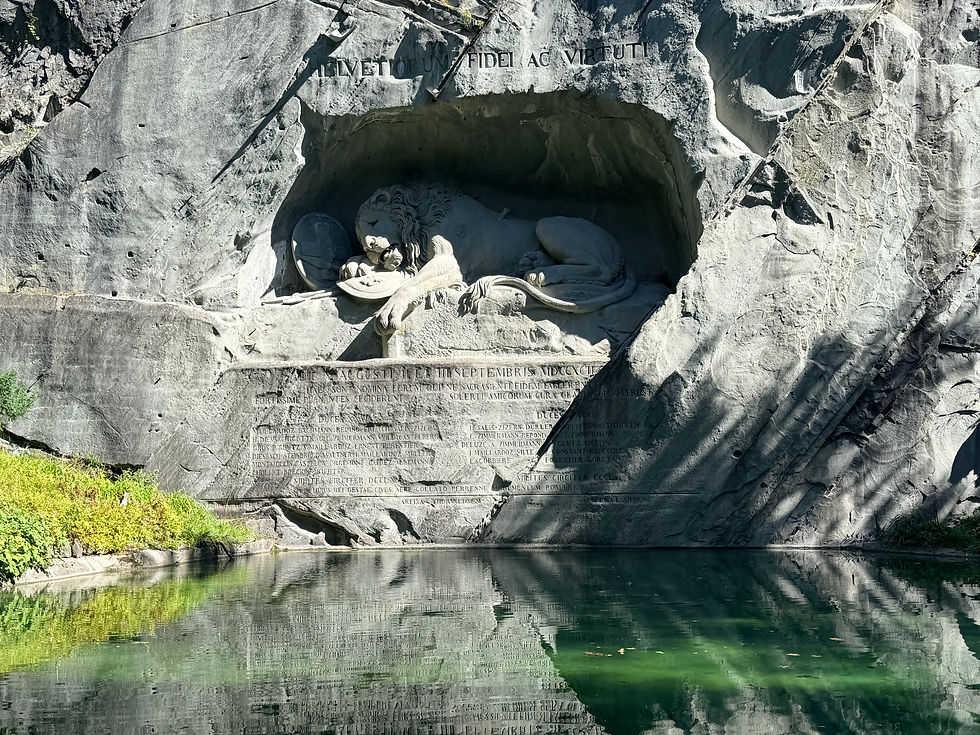

"The dying lion is embedded in a rock grotto in the center of Luzern. Inaugurated in 1821, the artwork commemorates Swiss soldiers who died in Paris in 1792 for King Louis XVI. Mark Twain once called the place in Luzern "the saddest rock in the world". Because the monument does not focus on a victory, but on the victims."


At the pond in front of the rock face you stand directly in front of the dying lion. The artwork is by the Danish sculptor Bertel Thorvaldsen.Ten information boards in German and English provide interesting facts about the history. The Latin inscriptions list the names of the fallen officers and the number of soldiers.

The Luzern Jesuit Church is a Roman Catholic church. It is the first large Baroque church built in Switzerland north of the Alps.
The Jesuit order, founded by Ignatius of Loyola in 1534, were active participants in the Counter-Reformation, the Catholic fight against the birth of Protestantism. Protestant reformers such as Zwingli in Zurich and Calvin in Geneva divided the predominantly Catholic Switzerland. In response, the Jesuits were called in to Luzern by the city council in 1573 to establish a college. Ludwig Pfyffer, mayor of Luzern, offered annual financial support to the Jesuits out of his private funds. The Jesuit College of Luzern was established in 1577 in Ritter Palace, a building originally erected in 1557 as a residence for mayor Lux Ritter.

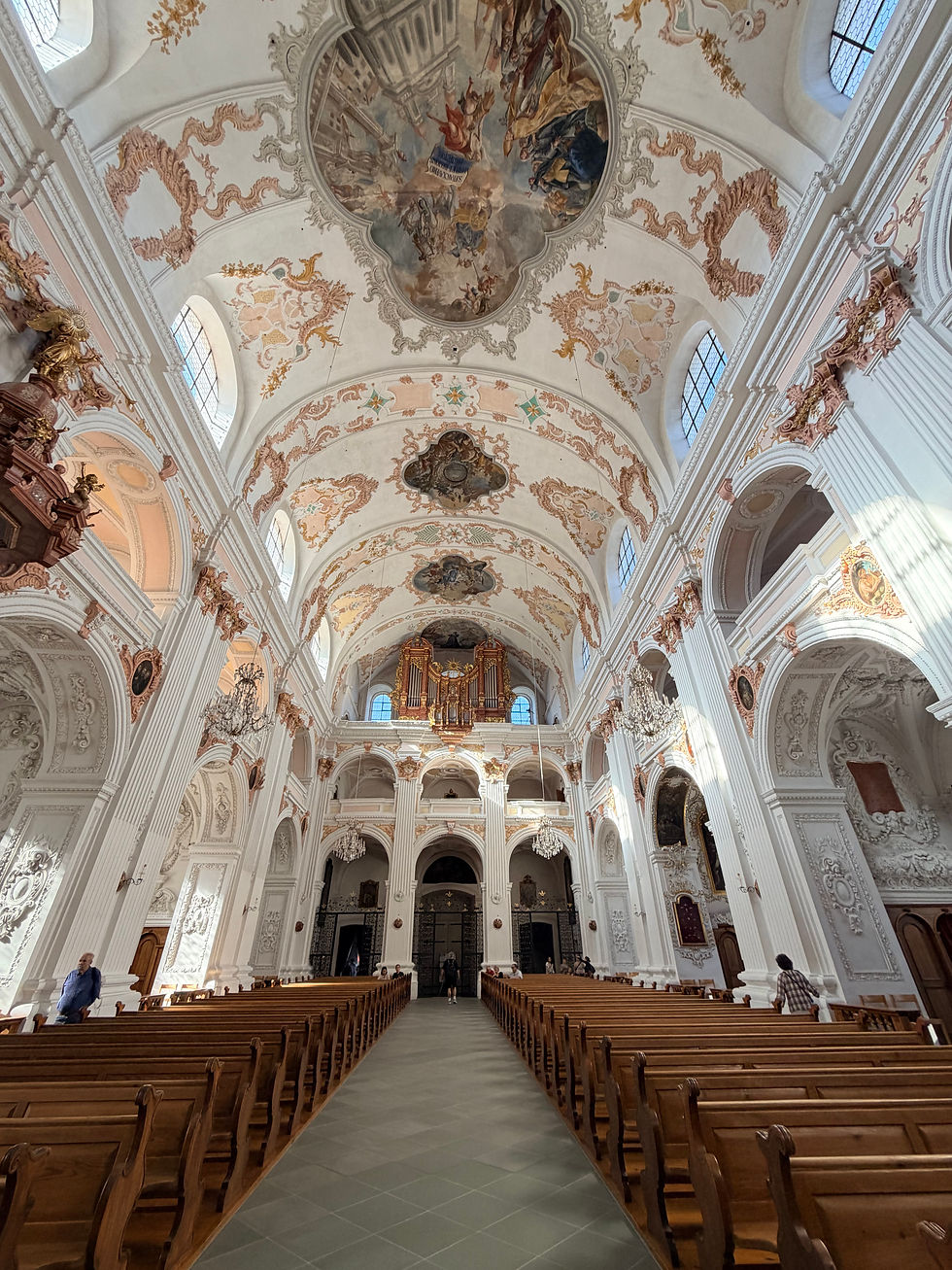
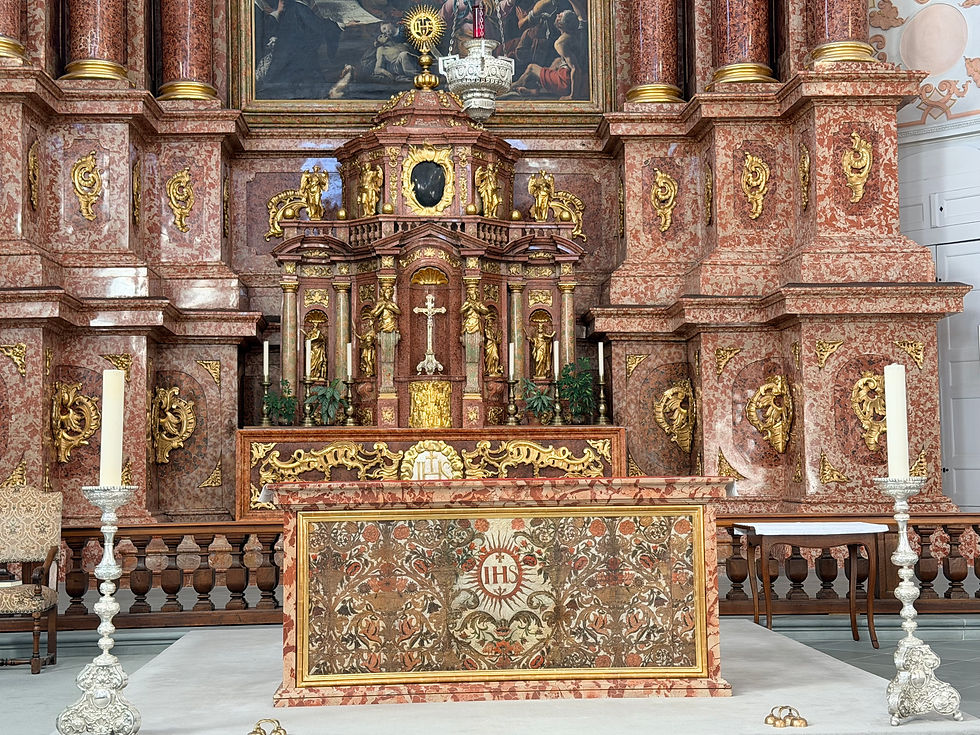


Construction on the associated church began in 1667. By 1673, the shell of the church and the main façade were completed. The church was consecrated in 1677, though the interior was not yet really finished. Several side altars were still missing and even the high altar was only erected four years later, due to financial problems. The onion topped towers were not completed until 1893. The vault was redecorated in the mid-18th century. The original vestments of Brother Klaus, a famous Swiss patron, are stored in the inner chapel.

Considered the most important example of church building from the Renaissance period in Switzerland, the Church of St. Leodegar – also known as the Hofkirche – is the parish church of Luzern. The history of this impressive building is long and eventful.
Around 735/736, Southern Alemanni noblemen founded a small monastery on the site now occupied by the church precincts. Around 1135, the self-governing monastery became a dependent priory of Murbach in Alsace. Changing fortunes obliged Murbach Abbey in 1291 to sell the priory in Luzern and all its properties to the Habsburgs. After Luzern joined the Old Confederacy in 1332, the town of Luzern began appropriating the rights of the Habsburgs – including those over the monastery – in a process that continued until 1433. The Benedictine monastery became a collegiate church in 1455/56. Since then, the college of canons (non-monastic community of clergy) has recited the Divine Office every morning and evening.


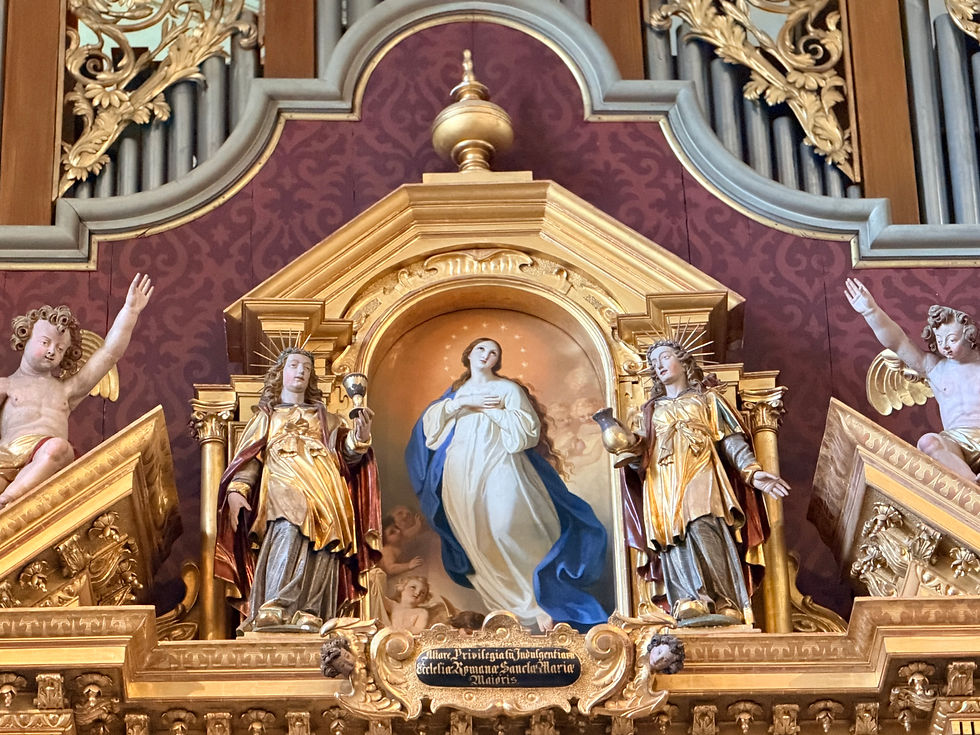
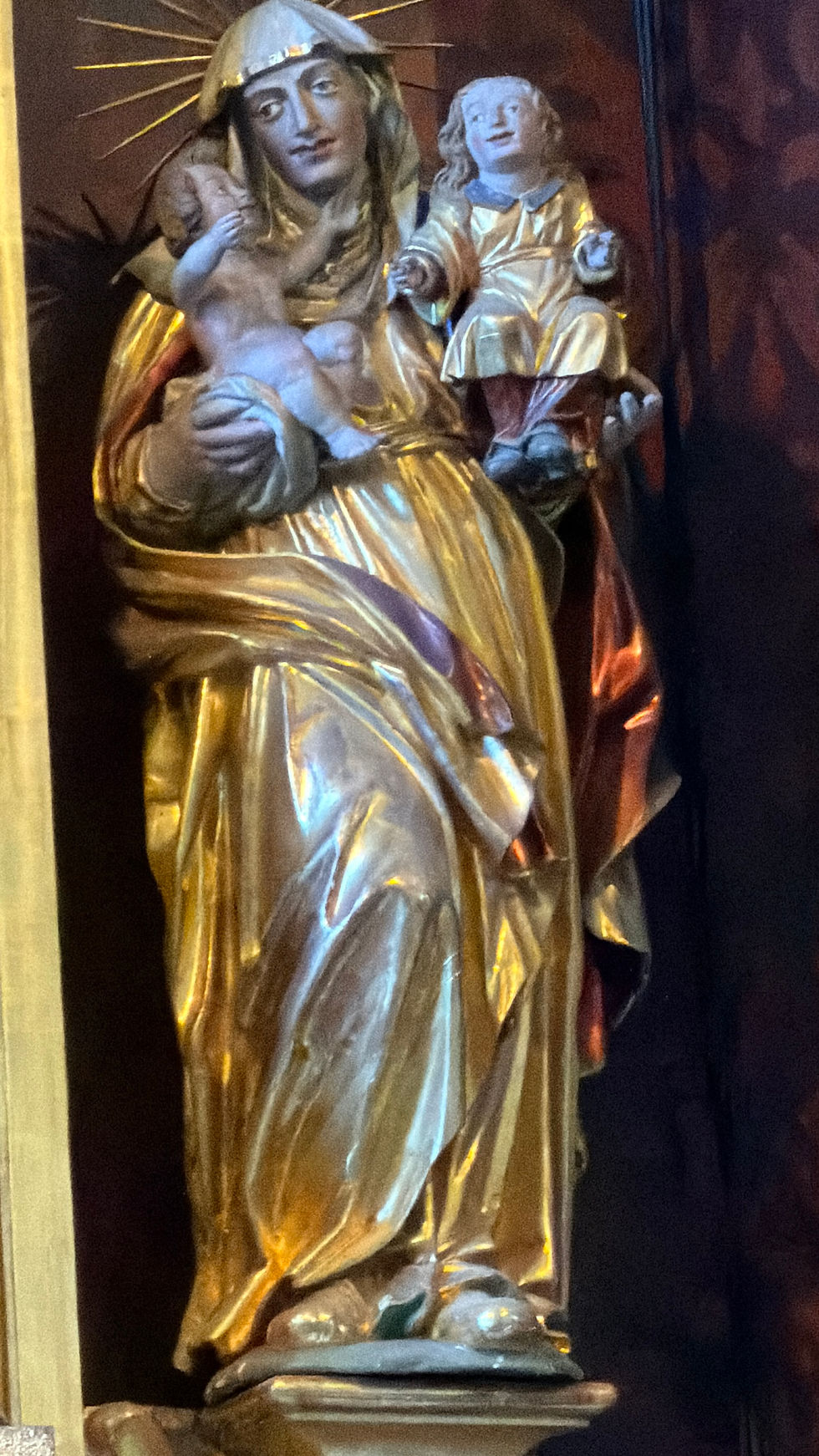


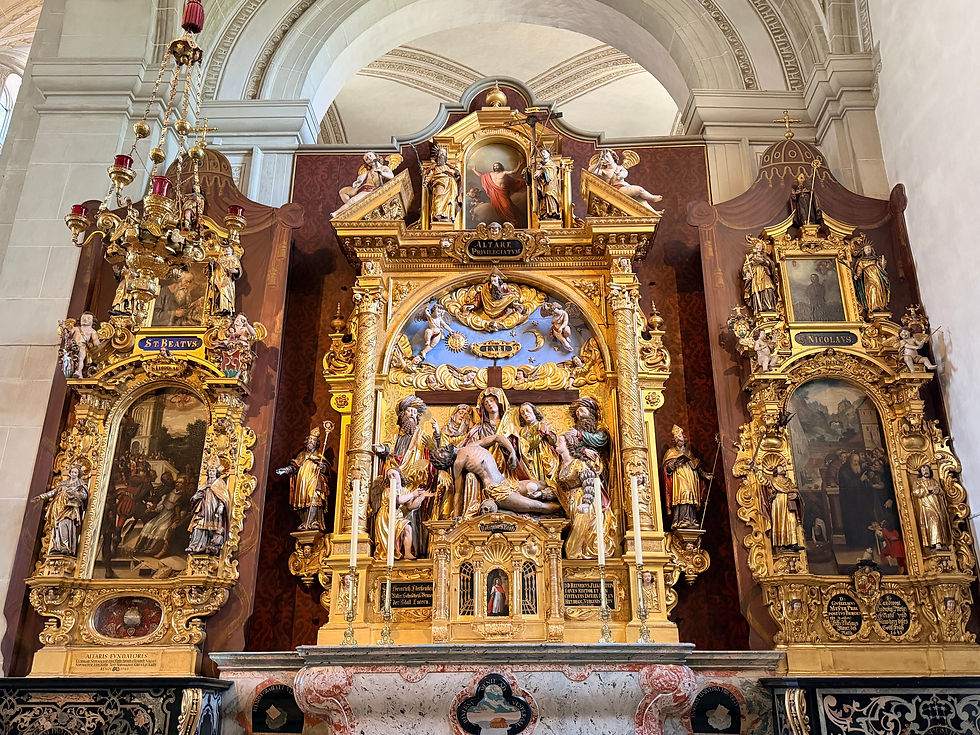


The imposing organ was built in 1640 and extended in 1862, before being modified, restored and enlarged between 1972 and 1977. The organ prospectus of 1640 records it as having the tallest (10.7 m) and heaviest (383 kg) pipe in the world at the time. Overall, the organ weighs an incredible 30 tons. The 7,374 pipes are distributed across 111 registers. The Echo division inaugurated in 2015 has witnessed the inclusion of some new pipes and, most importantly, the reintroduction into the organ of the best preserved pipes dating back more than 150 years. The Echo division is thus performing not only a musical task, but also fulfilling a mission in terms of preserving a valuable ancient monument in the most appropriate manner.


Old Swiss House
We were greeted with hugs from Kätherina and Pia as we entered the restaurant.
Pia placed birthday decorations on the table.

Bennett's 70th birthday is on the 25th.

Michael's birthday is today.


Michael and Bennett started with the lobster bisque.

A deluxe house-style Wienerschnitzel as you have never tasted before is the reason we always have lunch at the Old Swiss House! Very tender cutlets of veal are dipped in their own top-secret blend of beaten egg, Swiss cheese and herbs. The cutlet is then coated in specially prepared breadcrumbs and cooked in pure butter at your table. The delicious now world-famous Wienerschnitzel with half a lemon and fresh egg noodles is the perfect dish for a very special occasion.


The secret is to turn it only once.


This specialty has been served for more than fifty years. With up to one thousand servings per month, it remains the restaurant's most popular dish!
The recipe…
150 grams of best-quality veal, pounded till very tender
Five lightly beaten eggs, 50 grams grated Parmesan cheese, salt and pepper
Homemade finely crushed breadcrumbs
A generous quantity of butter, 80 grams per person
Half a lemon
Serve with: fine egg noodles garnished with the breadcrumbs that were fried with the veal.
For dessert, Bennett and I had the homemade chocolate mousse on top of whipped cream.


Michael and Sharon had the sgropeino - lemon sorbet, vodka, and prosecco

Michael and Bennett had a little birthday cake with chocolate hearts and ladybugs

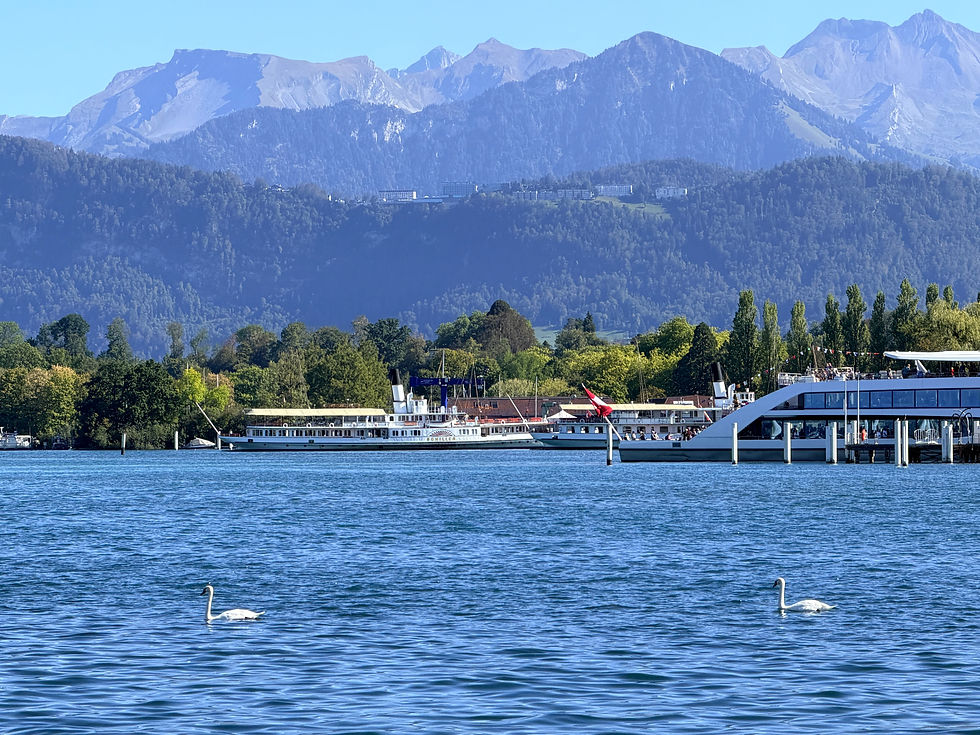
It was quite warm as we walked along the promenade.




Comments